

The psychological effects of gambling Understanding the mind behind the bets with Pin Up
The Allure of Gambling
The excitement of gambling can be traced back to its ability to evoke strong emotions. The thrill of placing a bet often stems from the unpredictability of the outcome, which can trigger the brain’s reward system. This reaction is similar to that experienced in other risk-taking behaviors, making it a compelling activity for many individuals. The potential for financial gain, paired with the adrenaline rush, creates a unique psychological cocktail that keeps players coming back for more. For instance, you might find yourself engaged in a game on Pin Up Casino Aviator, where quick thinking can translate to significant rewards.
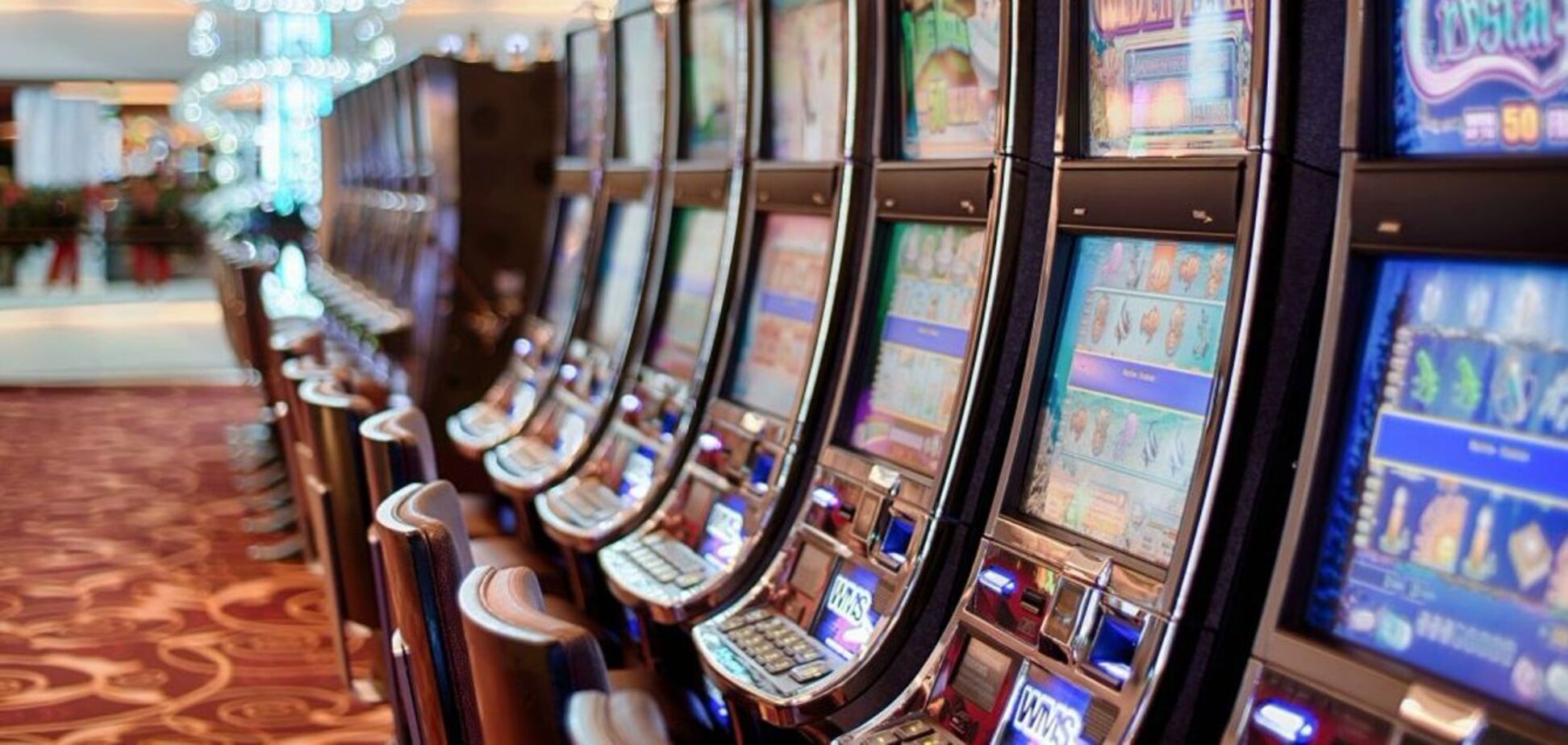
Additionally, the social aspect of gambling can enhance its allure. Many people find camaraderie in sharing experiences at casinos or online platforms like Pin Up. This community support can amplify the enjoyment and encourage individuals to gamble more frequently, often leading to an emotional investment that goes beyond mere financial stakes.
The Role of Cognitive Biases
Cognitive biases play a significant role in the psychology of gambling. For instance, the illusion of control leads players to believe they can influence outcomes through skill or strategy, even in games governed purely by chance. This mindset can result in repeated betting and a skewed perception of one’s actual chances of winning. Gamblers may think they are “due†for a win after a series of losses, which further fuels their desire to continue betting.
Moreover, the gambler’s fallacy, the belief that past outcomes affect future results, can be detrimental. Players may assume that a losing streak will inevitably lead to a win, causing them to persist in their betting behavior. This cognitive distortion not only affects individual decisions but can also perpetuate a cycle of gambling that leads to greater financial risk.
The Impact of Emotions
Emotions significantly influence gambling behavior, often leading to impulsive decisions. For many, the initial thrill of winning can create a rush of positive feelings, reinforcing the desire to gamble again. Conversely, losses can trigger negative emotions such as frustration or sadness, leading individuals to chase their losses in an attempt to regain their previous wins. This emotional roller coaster can cloud judgment and encourage further gambling, resulting in an unhealthy relationship with the activity.
The emotional connection to gambling can also manifest through various coping mechanisms. Some individuals may turn to gambling as a way to escape stress or anxiety, leading to a pattern of behavior that can spiral out of control. Understanding the emotional drivers behind gambling is essential for recognizing when it might be transitioning from a form of entertainment to a problematic addiction.
The Psychological Path to Gambling Addiction
Gambling can develop into an addiction for some individuals, characterized by a compulsion to gamble despite adverse consequences. Various psychological factors, such as underlying mental health issues, can exacerbate the likelihood of developing an addiction. Those who struggle with anxiety or depression may be more inclined to seek relief through gambling, using it as a temporary distraction from their emotional pain.

Experience the Excitement with Pin Up
Pin Up offers a vibrant online gaming experience tailored for those seeking thrills in a secure environment. With a wide variety of games, including the exhilarating Aviator crash game, players can engage in quick decision-making while enjoying the thrill of potential winnings. The platform is designed to accommodate both seasoned gamblers and newcomers, ensuring an entertaining experience for all.
“`